
The area is split between the main centre at Chincha and the district of El Carmen. At first glance, there is little difference between Chincha and most other large towns in Peru: busy, loud, bustling and vibrant. The Plaza de Armas is beautiful, but that’s pretty much it… In a nutshell, Chincha is a cute place to go if you’re in the neighborhood, for a day, but I wouldn’t make a detour for it. If you do go, what should you do?
El Carmen
A short taxi ride away in El Carmen, any time of year is a good time to arrive. The small rustic ‘village’ is famous for its rhythm-heavy Afro-Peruvian music heard in the peñas (bars and clubs featuring live folkloric music). El Carmen is an old town from the 17th century when the Jesuits settled in the lands of San José and San Régis. Rich landowners would then import slaves from Africa to help pick cotton ad cultivate sugar. The history of African slaves still has an enduring influence on the culture today, especially in food, music and dance.
Afrika
On the main square in El Carmen, the restaurant transports you in a African ambiance with the bamboos and figurines. The Afro-Peruvian food is really good and the people are adorable.

El Refugio de Mamaine
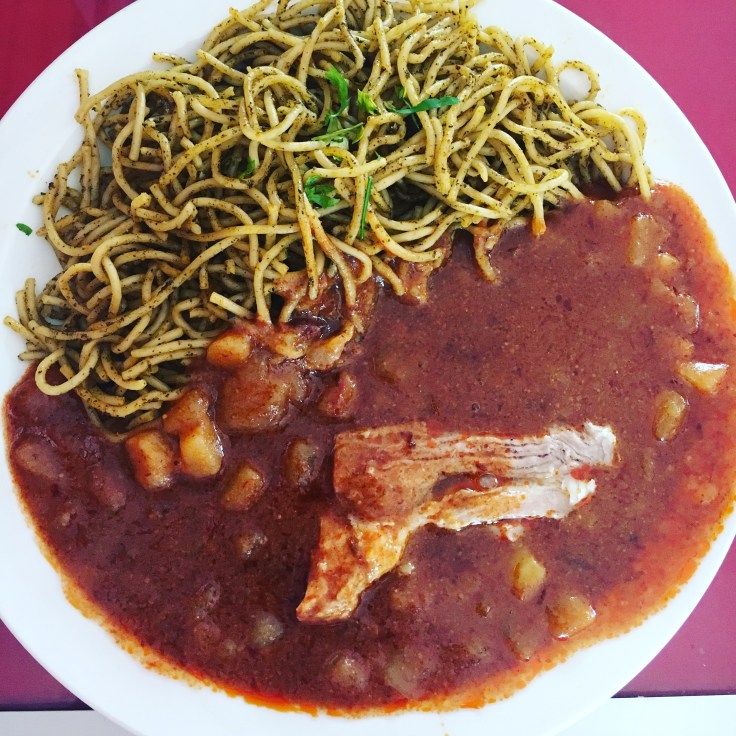
Excellent Afro-Peruvian food. The place is a bit further that the center and isolated, but the food is definitly worth it! I do recommend the carapulcra (stew of pork and dehydrated potatoes, usually served with spaghettis). Follow the signs going to the El Carmen district, you can’t miss the huge sign with the picture of Mamaine on it.
Cacerio Guayabo
Verano Negro
During February the Verano Negro (Black Summer) festival is held, celebrating Afro-Peruvian food, music, culture and dance. Festival is a pretty big word to describe the event actually, but it mostly takes place in El Carmen district.
Casa Hacienda de San José
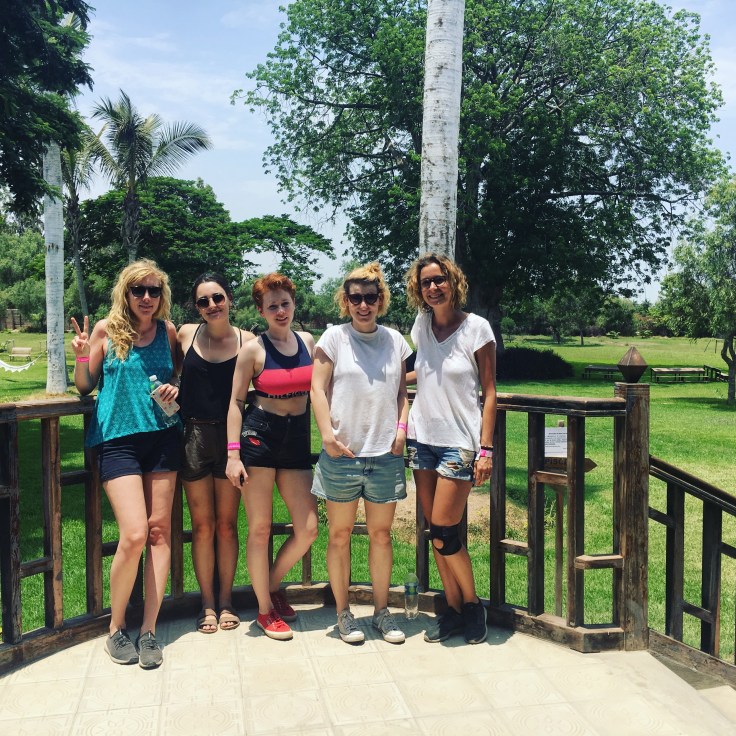
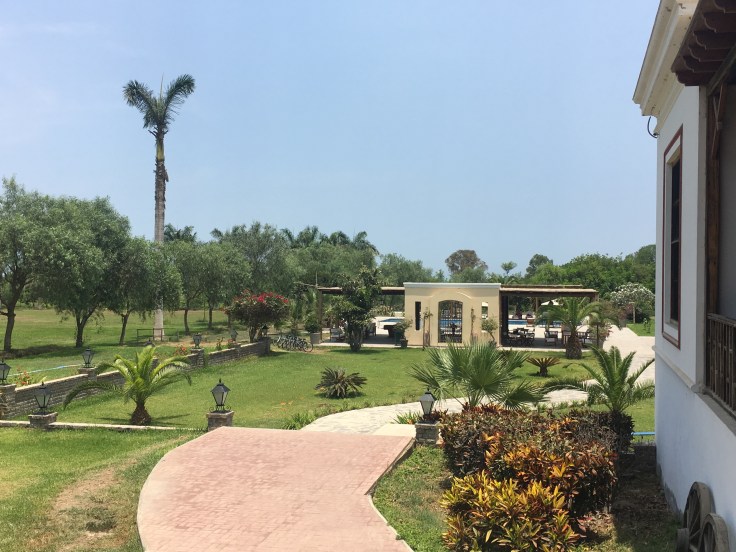
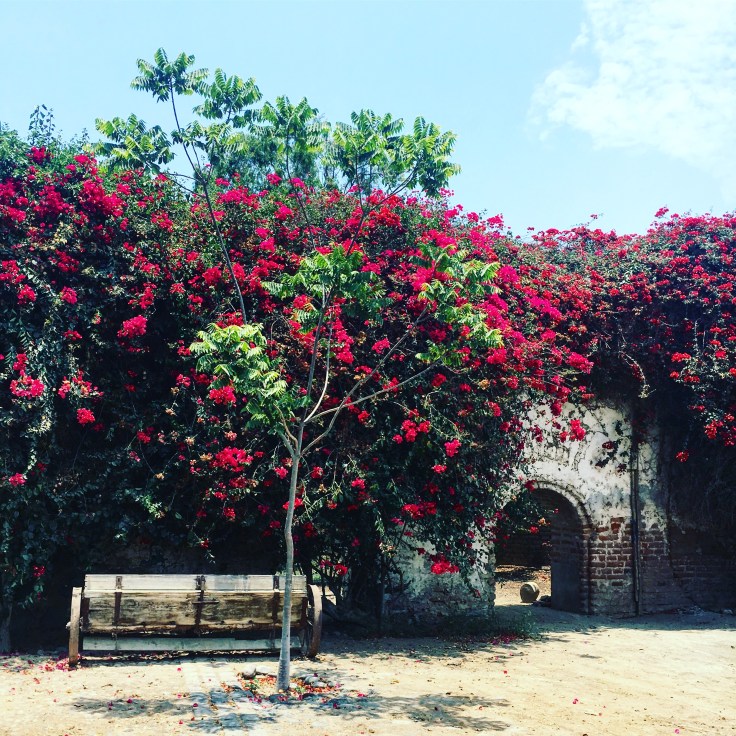
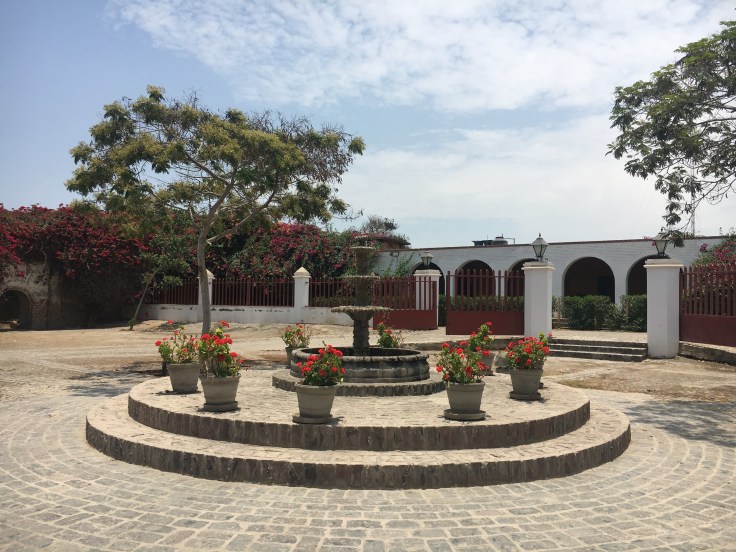
Hacienda San Jose was built at the end of the 17th century. It used to be one of the main haciendas across the Peruvian coast. Not just because of its important sugarcane production but also for the number of slaves. It was the most prosperous plantation at that time. Today, it is a hotel and a museum, where many histories and vestiges show how Afro-Peruvian immigrants used to live in this part of Peru. The garden is a slice of heaven, the Hacienda is beautiful, but the most impressive are the catacombs below. After going down narrow stairs, you’ll go underneath the Hacienda to find an underground secret slave tunnel, connecting with other Haciendas in the region, and connecting them all to the port about 17 km away. This was a way to transport the slaves and to avoid paying import taxes to the government, as slavery was legal in Peru at the time. The earthquake in 2007 destroyed most parts of the tunnels. The tour takes about an hour and is totally worth it!
I would have loved staying the night and enjoying the pool or hamacs…
Casa Hacienda San José Website, 9am-1pm 2-5pm, entrance 20 soles, about 200 soles a night
 Just meets World
Leave a comment